Chapter 6: Visual Resource Constraint Systems
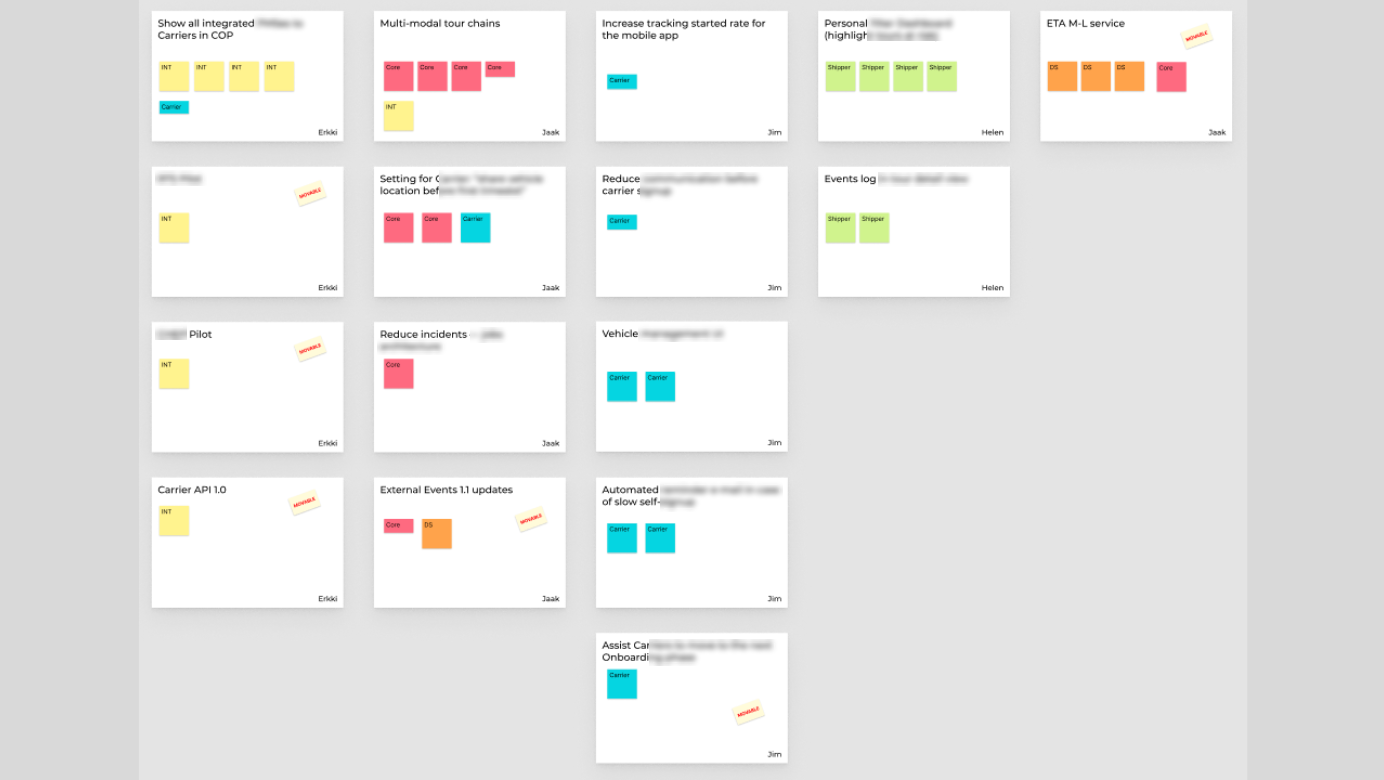
Solving the "everything is Priority #1" syndrome through systematic forcing functions that make trade-offs explicit and realistic. Coordinating resource allocation across business initiatives, technical improvements, and operational enhancements.
The most common organizational dysfunction is the "everything is Priority #1" syndrome, where unlimited priority designation creates resource conflicts, unrealistic expectations, and planning theater disconnected from delivery reality. Visual resource constraint systems solve this through systematic forcing functions.
The Universal Planning Problem with Technical Work Integration
Unlimited Priority Designation Dysfunction
Traditional planning tools allow organizations to declare unlimited priorities without confronting resource reality across business features and technical improvements. Teams receive conflicting directives while leadership lacks visibility into the cumulative resource impact of their individual decisions across business outcome achievement and technical capability development.
Hidden Resource Conflict Accumulation
- Multiple stakeholders make priority decisions independently without coordination across business initiatives and technical platform work
- Resource conflicts remain invisible until delivery failures force crisis management across business feature delivery and technical improvement implementation
- Planning becomes aspirational rather than realistic, disconnecting expectations from capability across business outcomes and technical development
- Teams experience constant pressure to achieve impossible combinations of scope, timeline, and quality across business deliverables and technical enhancements
Planning Theater vs. Delivery Reality
Organizations develop elaborate planning processes that feel systematic but fail to address fundamental resource constraint reality across business strategy execution and technical capability development. Beautiful roadmaps and detailed project plans coexist with chaotic execution and missed commitments across business outcome delivery and technical improvement implementation.
Strategic Budget Architecture Integration
This systematic resource mismanagement forces traditional functional budgeting where business features and technical improvements compete through separate processes rather than unified systematic prioritization. The framework eliminates functional competition with strategy execution through strategic budgets flowing through Goals→Initiatives structure, ensuring technical initiatives compete with business priorities using identical systematic criteria.
Forcing Function Design Philosophy with Single-Pipeline Integration
Finite Space Constraints as Reality Check
Physical or digital planning systems with limited space preventing over-commitment by making resource allocation decisions explicit and mutually exclusive when capacity limits are reached across business initiatives, technical improvements, and operational enhancements.
Visual Transparency as Coordination Mechanism
All stakeholders can see current resource allocation across initiatives, making conflicts immediately obvious and enabling collaborative resolution before they become delivery problems across business outcome achievement and technical capability development.
Systematic Trade-off Decision Framework with Technical Integration
When conflicts arise (and the visual system makes them obvious), structured processes determine resolution based on business impact, strategic alignment, and resource efficiency rather than political pressure or immediate urgency, applying identical criteria to business features and technical improvements.
Implementation Components and Methods
Finite Space Planning Systems with Single-Pipeline Coordination
Physical Planning Boards
- Wall-mounted planning areas with limited space physically preventing over-commitment across business initiatives, technical improvements, competency development, and operational enhancements
- Initiative cards or sticky notes occupying space proportional to resource requirements including technical complexity and cross-functional coordination needs
- Visual indicators of team capacity allocation showing when limits are reached across business outcome delivery and technical capability development
- Physical movement required to add new priorities forces explicit removal of existing commitments, making trade-offs visible across all organizational work types
Digital Constraint Management with Technical Integration
- Planning software configured with finite capacity limits preventing over-allocation across business features, technical improvements, and competency development
- Visual dashboards showing team capacity utilization across current and planned initiatives including technical work competing with business priorities
- Automated conflict identification when new priority additions exceed available resources across business outcome delivery and technical capability development
- Drag-and-drop interfaces requiring explicit trade-off decisions for priority changes across all organizational work types
Hybrid Physical-Digital Systems
- Physical planning for high-visibility strategic decisions combined with digital tracking for detailed execution across business strategy and technical architecture
- Regular synchronization between physical strategic planning and digital delivery tracking including technical improvement coordination
- Physical workshops for collaborative trade-off decisions with digital follow-up for implementation coordination across business and technical work
Resource Allocation Transparency with Budget Architecture Integration
Cross-Initiative Visibility with Technical Work Integration
- Complete view of all team commitments across different initiatives and stakeholders including business outcomes and technical improvements
- Resource allocation percentages showing realistic capacity distribution rather than theoretical assignments across business features and technical platform work
- Timeline visualization revealing conflicting commitments and unrealistic scheduling assumptions across business delivery and technical development
- Dependency mapping showing how resource changes in one initiative affect others including technical improvements supporting multiple business outcomes
Strategic Budget Flow Integration
- Strategic budgets flow through Goals→Initiatives structure rather than functional hierarchies, eliminating separate technical budgeting processes
- Technical initiatives receive systematic resource allocation through identical business case criteria as business features
- Individual feature spending limits based on percentage of initiative budget, applying to both business functionality and technical improvements
- Business case and measurable targets driving resource allocation across all organizational work types
Stakeholder Impact Awareness with Technical Integration
- Clear visibility for all stakeholders into resource impact of their priority requests across business outcomes and technical capability development
- Real-time feedback on how new priority additions affect existing commitments and timelines including technical initiative timing
- Collaborative planning sessions where stakeholders participate in trade-off decisions rather than just making requests across business and technical priorities
- Regular communication of resource constraint reality to prevent unrealistic expectation accumulation across all organizational work types
Capacity Utilization Analysis
- Historical data on actual team delivery capacity versus planned allocations across business feature delivery and technical improvement implementation
- Identification of systematic over-planning patterns consistently leading to delivery problems across business outcomes and technical development
- Analysis of capacity utilization efficiency to identify optimization opportunities across business execution and technical capability development
- Planning accuracy measurement improving resource allocation decision-making over time across all organizational work types
Systematic Conflict Resolution Processes with Technical Integration
Trade-off Decision Framework
When visual systems reveal resource conflicts, systematic criteria enable consistent resolution across business initiatives, technical improvements, competency development, and operational enhancements:
Business Impact Assessment with Technical Integration
- Revenue impact analysis for competing priorities based on measurable business outcomes including technical platform contribution to business results
- Customer value comparison using validated user research and satisfaction metrics supported by technical capability enhancement
- Strategic alignment evaluation against quarterly objectives and long-term organizational goals including technical architecture evolution
- Risk assessment comparing opportunity costs and potential negative impacts of different choices across business outcomes and technical capability development
Resource Efficiency Analysis Across All Work Types
- Effort-to-impact ratio calculation for competing priorities using historical delivery data across business features and technical improvements
- Resource requirement analysis including cross-functional coordination overhead and dependencies across business outcome delivery and technical platform development
- Timeline impact assessment showing how different choices affect overall organizational delivery capability across business results and technical advancement
- Capability development consideration evaluating how different priorities build organizational expertise across business domain knowledge and technical skills
Systematic Decision Process with Technical Integration
- Stakeholder participation in trade-off discussions with transparent criteria and evidence-based reasoning including technical leaders advocating for technical initiatives
- Decision documentation capturing reasoning for future reference and organizational learning across business strategy and technical architecture decisions
- Implementation planning minimizing disruption while maintaining momentum on continuing priorities across business outcome delivery and technical capability development
- Regular review of decision outcomes to improve trade-off criteria and process effectiveness across all organizational work types
Progress Tracking Integration with Technical Work
Visual Progress Indicators
- Real-time delivery status showing actual progress against planned capacity allocation across business features and technical improvements
- Quality metrics integration showing whether current resource allocation achieves desired outcomes across business results and technical capability advancement
- Velocity measurement providing feedback on planning accuracy and capacity utilization efficiency across business delivery and technical development
- Bottleneck identification revealing systematic constraints requiring process or resource adjustment across business execution and technical improvement
Delivery Velocity Feedback with Technical Integration
- Historical velocity data improving future capacity planning and resource allocation decisions across business outcome delivery and technical capability development
- Trend analysis showing how resource allocation changes affect delivery throughput and quality across business features and technical improvements
- Comparative analysis across teams and initiatives identifying successful resource allocation patterns including technical platform contribution
- Capacity planning calibration improving organizational planning accuracy and stakeholder expectation management across all organizational work types
Stakeholder Communication Integration
- Regular progress communication reinforcing resource constraint reality and planning accuracy across business outcome achievement and technical capability development
- Celebration of realistic planning success rather than heroic effort to overcome poor planning across business delivery and technical improvement
- Education on resource constraint management building organizational capability for sustainable execution across all work types
- Feedback collection on visual system effectiveness and improvement opportunities across business strategy execution and technical architecture evolution
Implementation Success Patterns
Leadership Commitment to Resource Reality with Technical Integration
- Executive modeling of realistic priority setting and trade-off decision-making across business initiatives and technical improvements
- Resource constraint acknowledgment in strategic planning rather than aspirational goal setting across business outcomes and technical capability development
- Investment in visual system implementation and organizational change management coordinating business strategy with technical architecture
- Long-term commitment to systematic planning improvement rather than quick fixes across all organizational work types
Cross-Functional Collaboration on Trade-offs with Technical Integration
- Regular collaborative planning sessions where all stakeholders participate in resource allocation decisions including technical leaders advocating for technical initiatives
- Transparent communication of trade-off reasoning and impact analysis across organizational levels including technical architecture considerations
- Shared accountability for delivery outcomes based on collaborative planning decisions across business results and technical capability development
- Continuous improvement of collaboration processes based on delivery results and stakeholder satisfaction across business execution and technical improvement
Cultural Shift from Heroic to Systematic
- Recognition and reward systems celebrating sustainable planning rather than crisis management heroics across business delivery and technical development
- Performance measurement evaluating planning accuracy and resource utilization efficiency across business outcomes and technical capability advancement
- Career development building systematic planning and trade-off decision-making capabilities across business domain expertise and technical skills
- Organizational learning capturing and sharing successful resource constraint management practices across all organizational work types
System Benefits and Organizational Outcomes
Realistic Planning and Stakeholder Expectation Management
- Stakeholder expectations align with actual organizational capacity rather than aspirational goals across business outcome delivery and technical capability development
- Planning accuracy improves through systematic constraint acknowledgment and trade-off decision-making across business features and technical improvements
- Delivery predictability increases through resource allocation transparency and conflict prevention across business execution and technical development
- Organizational stress decreases through sustainable workload management and realistic commitment levels across all work types
Enhanced Decision Quality and Speed with Technical Integration
- Trade-off decisions become faster and more consistent through systematic criteria and transparent information across business priorities and technical improvements
- Resource allocation conflicts get resolved before they impact delivery rather than during crisis management across business outcomes and technical capability development
- Strategic planning improves through realistic capability assessment and resource constraint integration across business strategy and technical architecture
- Organizational agility increases through rapid adaptation capability without sacrificing systematic coordination across all work types
Sustainable Organizational Performance
- Team productivity increases through reduced context switching and priority confusion across business feature delivery and technical improvement implementation
- Quality improvements result from sustainable resource allocation rather than constant pressure to deliver impossible combinations across business outcomes and technical development
- Organizational learning accelerates through systematic planning feedback and continuous improvement integration across all work types
- Leadership effectiveness increases through realistic planning capability and systematic trade-off management across business strategy execution and technical capability advancement
Visual resource constraint systems transform organizations from reactive crisis management to proactive systematic coordination, enabling sustainable performance improvements across business outcome delivery and technical capability development.