Chapter 3: Golden Circle Organizational Adaptation
Strategic purpose translation into systematic execution. Four-level hierarchy: Company Goals → Initiatives → Slices → Tasks. Clear line-of-sight from daily work to business objectives.
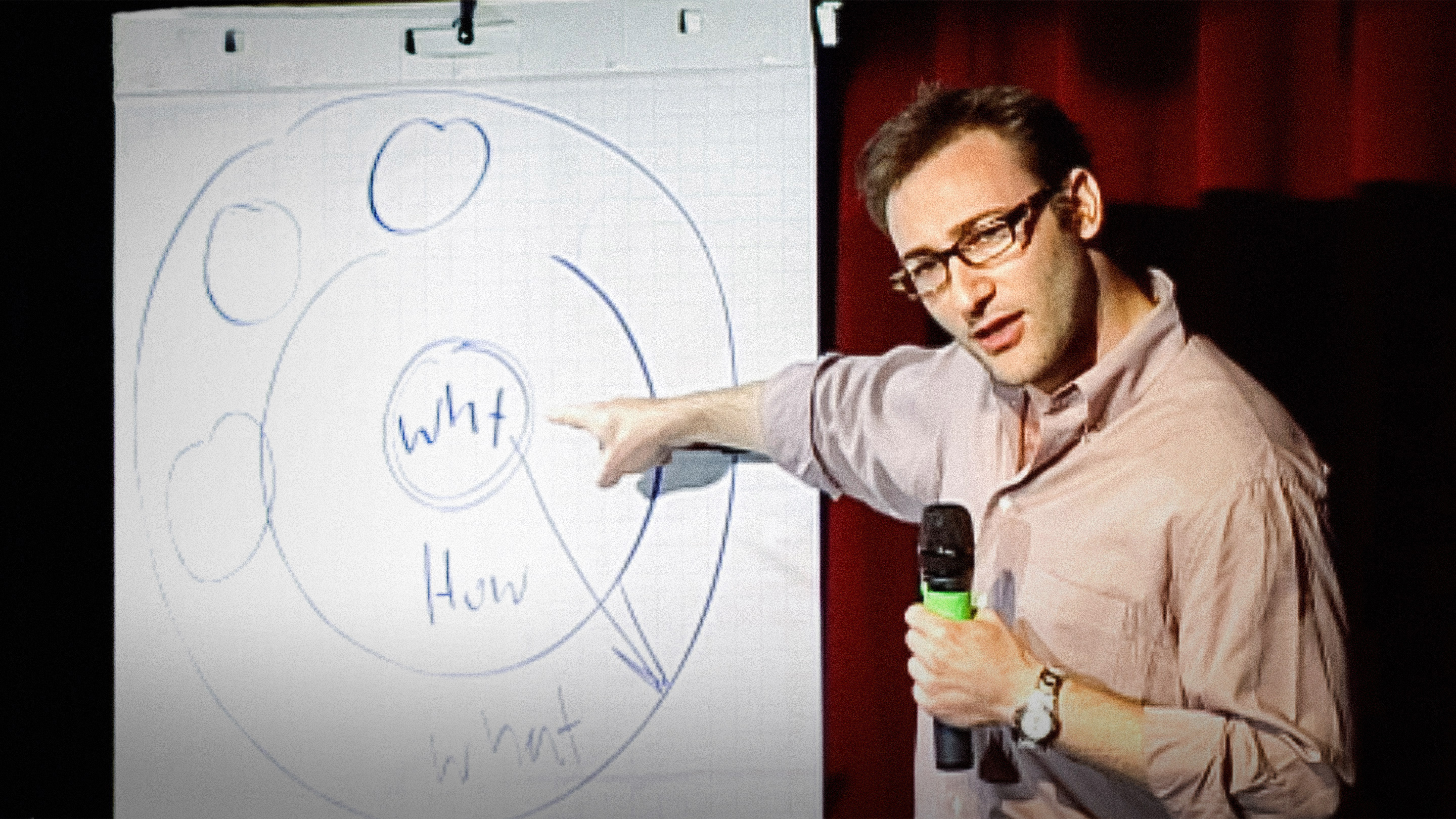
Simon Sinek's Golden Circle provides powerful framework for strategic communication. This chapter adapts the WHY-HOW-WHAT structure for organizational coordination, creating systematic translation from strategic purpose to daily execution.
Golden Circle Foundation: WHY, HOW, WHAT
Simon Sinek's Golden Circle revolutionized strategic communication by demonstrating that inspiring leaders and organizations communicate from the inside out: starting with WHY (purpose), then HOW (process), then WHAT (product). The Pionäär Framework adapts this powerful structure for organizational coordination.
The Golden Circle Adaptation
Organizational adaptation: Strategic purpose flows through systematic processes to create specific deliverables with clear line-of-sight.
Traditional organizational structures struggle to maintain clear connection between strategic purpose and daily execution. The Golden Circle adaptation creates systematic hierarchy that preserves WHY context while enabling coordinated execution of WHAT deliverables through HOW processes.
The challenge isn't communicating strategy—it's maintaining strategic context throughout systematic execution while enabling autonomous decision-making at every organizational level.
Four-Level Organizational Hierarchy
The framework translates Golden Circle principles into four systematic levels that create clear line-of-sight from strategic purpose to daily tasks while enabling coordinated execution across all organizational work.
Level 1: Company Goals (WHY + Strategic HOW)
Strategic Purpose: WHY the organization exists and the fundamental approach (HOW) for achieving that purpose. Company Goals represent strategic intent translated into systematic quarterly objectives that guide all organizational activity.
Characteristics:
- Quarterly time horizon with annual strategic context
- Cross-functional impact requiring organizational coordination
- Measurable outcomes enabling strategic course correction
- Limited number (3-5) ensuring focus and resource allocation clarity
Example Company Goals:
- "Expand platform capability to support European market entry while maintaining operational stability"
- "Build systematic product management coordination enabling 20% delivery velocity improvement"
- "Develop internal technical expertise reducing external dependency on critical platform components"
Level 2: Initiatives (Tactical HOW)
Solution Approaches: HOW the organization will achieve Company Goals through systematic coordination of resources, capabilities, and stakeholders. Initiatives represent coordinated efforts that require cross-functional collaboration.
Characteristics:
- Monthly time horizon with quarterly strategic alignment
- Cross-functional coordination requiring systematic resource allocation
- Initiative Owners advocating for resources and managing stakeholder coordination
- Clear success criteria and business case requirements
Slices (Weekly Cycle) - WHAT Level
- Specific deliverables providing user value and strategic progress through solution approach implementation across business features and technical improvements
- Minimum viable functionality enabling rapid feedback and iteration on solution approaches, applying to both customer-facing features and internal technical enhancements
- Clear acceptance criteria that teams can evaluate independently for solution quality and strategic contribution across business value and technical advancement
- Resource requirements and timeline estimates based on demonstrated team capacity and solution complexity across business development and technical implementation
Tasks (Daily Cycle) - Implementation Level
- Individual work items contributing to slice completion and solution delivery across business outcome achievement and technical capability development
- Clear ownership and completion criteria for autonomous execution within solution approach boundaries across business and technical work
- Progress tracking providing transparency without micromanagement overhead across business feature delivery and technical improvement implementation
- Obstacle identification and escalation processes for systematic problem-solving within solution development coordinating business and technical considerations
Implementation Success Patterns with Technical Integration
Context Provision at Every Level
Each level provides strategic context for the level below while reporting progress and obstacles to the level above, coordinating business strategy execution with technical capability development. This creates systematic alignment without micromanagement across all organizational work types.
Autonomous Decision-Making Within Boundaries
Teams understand strategic context well enough to make priority decisions independently when new challenges arise, reducing management overhead and increasing responsiveness across business outcome delivery and technical improvement implementation.
Feedback Loop Integration Across All Work Types
Regular cycles at each level capture learning and adjust both strategy and execution approaches based on delivery reality rather than planning assumptions, coordinating business results with technical capability development through systematic retrospective processes.
Capability Building Focus with Technical Integration
The hierarchy develops internal expertise at each level rather than creating dependency on external coordination, enabling sustainable organizational scaling across business domain knowledge and technical capability advancement.
Golden Circle Framework Integration
Technical initiatives compete with business priorities through systematic application of Golden Circle principles, ensuring strategic alignment across all organizational work streams through the four-level implementation hierarchy.
The Golden Circle organizational adaptation provides the systematic communication foundation that coordinates business initiatives, technical improvements, competency development, and operational enhancements through unified strategic alignment. The Company Goals → Initiatives → Slices → Tasks hierarchy enables clear line-of-sight from daily work to strategic objectives while maintaining autonomous execution capability across all organizational work types.
This systematic structured communication framework eliminates the traditional challenge of translating strategic purpose into coordinated action across business outcome achievement and technical capability development. Organizations gain stable communication canvas where strategic intentions remain clear while solutions and feedback evolve dynamically across business and technical initiatives through systematic coordination processes.