The Challenge: Structural Complexity in a Changing Environment
In 2019, the Estonian Ministry of Finance faced challenges common to many large organizations undergoing structural change. Between 2014-2015, multiple organizational restructurings had created ambiguity in work organization and management hierarchies.
Primary Organizational Pain Points
Resource Constraint Reality
The "lean government" concept demanded greater efficiency with fewer resources. Teams experienced continuous pressure to deliver more with less, while projects competed for the same limited capacity.
Cross-Functional Coordination Complexity
Ministry projects typically involved multiple departments or even multiple ministries. Project managers struggled to secure necessary resources and maintain team member focus as individuals juggled competing priorities simultaneously.
Priority Ambiguity Across Workflows
Work originated from multiple sources: government decisions, European Union directives, ministerial initiatives, and departmental improvements. Without a unified system for prioritizing activities across the organization, many projects stalled indefinitely or remained incomplete.
Traditional Management Limitations
Linear, hierarchical management approaches proved insufficient in this rapidly changing environment. The challenge extended beyond internal efficiency to the Ministry's capacity to implement fiscal policy effectively and maintain public trust.
The Systematic Approach: Strategic Implementation Framework
The Ministry commissioned an eight-month analysis to assess organizational readiness for agile working methods and develop a practical implementation strategy. The methodology combined organizational analysis with systematic framework application.
Discovery: Change-Oriented Interview Methodology
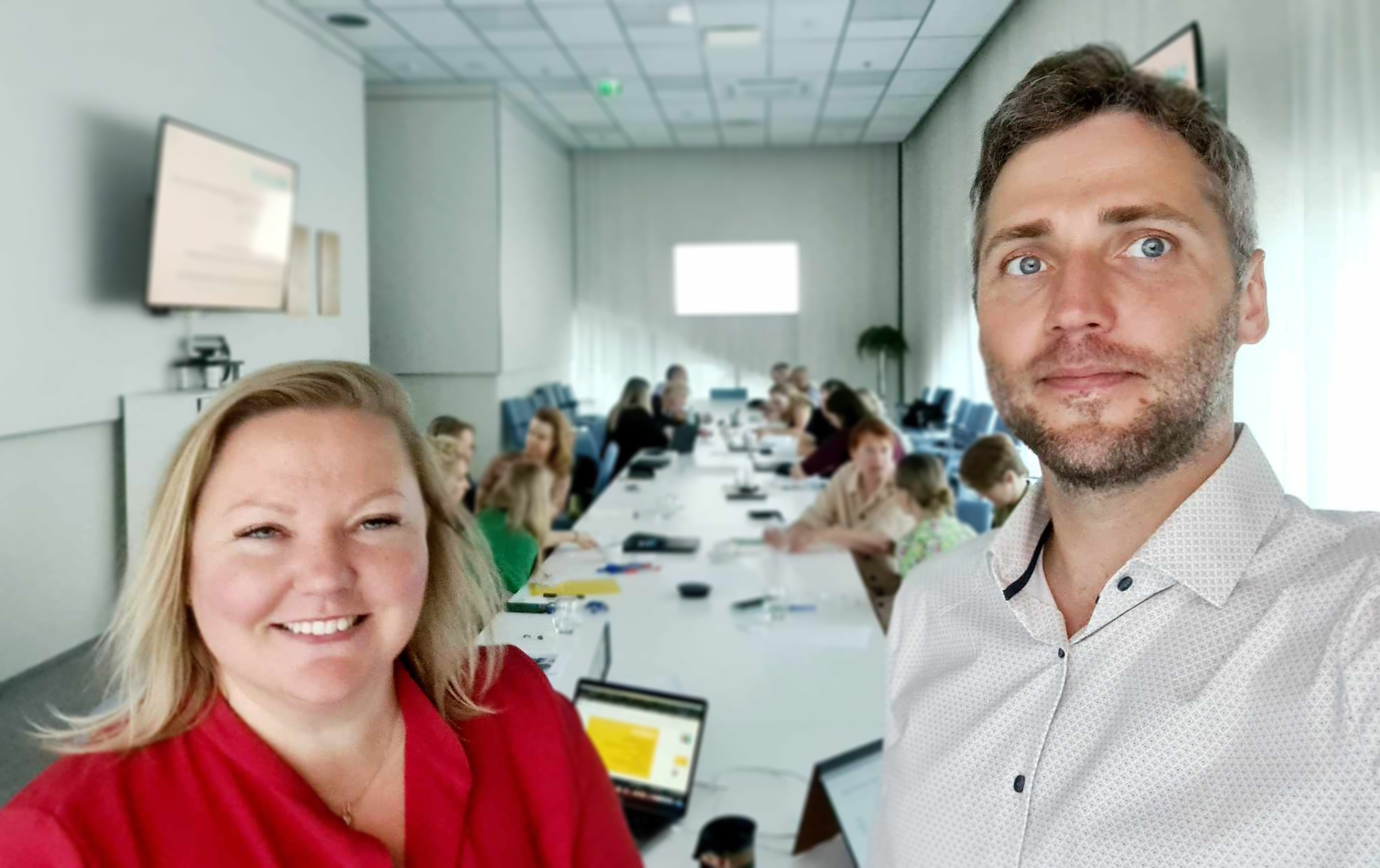
The research team conducted approximately 20 semi-structured interviews across organizational levels and facilitated focus group sessions with four different project teams. This discovery phase employed a systematic approach based on four core agile management components:
- Collaboration: How teams work together across organizational boundaries
- Delivery: How work flows from initiation to measurable impact
- Reflection: How feedback loops enable adaptive planning
- Improvement: How organizational learning becomes systematic capability
Framework Application: Addressing Root Causes
Analysis revealed interconnected challenges requiring systematic solutions:
Workflow Transparency Problems
Projects and tasks originated from numerous sources without clear visibility into active work or relative priorities. The team developed centralized prioritization systems to make all ongoing work visible across the organization.
Resource Overload Patterns
Employees managed multiple simultaneous projects without clear methods for prioritizing among competing demands. The solution involved sprint-based planning cycles allowing focused allocation of attention.
Siloed Organizational Structure
Hierarchical structures impeded rapid decision-making and flexible resource deployment. Cross-functional team approaches enabled collaboration across traditional organizational boundaries.
Feedback Loop Gaps
Insufficient project retrospectives meant missed opportunities for organizational learning. Regular reflection cycles were systematized at both project and departmental levels.
Implementation Design: Practical Tools and Methods
The team created an "Agile Working Methods Handbook" providing concrete guidance for applying these approaches in the Ministry's specific context:
- Sprint planning for time-boxed work cycles
- Daily stand-up meetings for coordination
- Kanban visualization for workflow management
- Retrospective processes for continuous improvement
- Product owner roles bridging departmental boundaries
- Comprehensive training program for all staff levels
The strategy prioritized pilot projects in selected departments, enabling methodology testing and refinement before broader implementation.
Collaborative Results: Measured Organizational Impact
While complete transformation of working methods constitutes a long-term process, early pilots demonstrated significant improvements.
Measured Outcomes (One-Year Follow-up)
Immediate Workflow Improvements
"I'm surprised how much information can be exchanged in just a 15-minute meeting. This has reduced the need for lengthy meetings and helped us make decisions faster."
— Department Head, Estonian Ministry of Finance
Communication Efficiency: Teams adopting regular stand-up meetings reported substantially improved information exchange.
Goal Clarity and Progress Visibility: Project teams increased focus on clear goal articulation and meaningful metrics. Kanban boards made work status transparent across teams, improving priority-setting and resource allocation.
Adaptive Planning Capability: Breaking projects into smaller increments with regular evaluation enabled faster course correction when challenges emerged. Teams developed capacity to identify problems earlier and make necessary adjustments.
Government Validation: Published Academic Research
The Ministry of Finance transformation became a documented case study in public sector agile adoption, published through the Estonian Research Council's research program.
Academic Publication Significance
The research paper "Agiilse juhtimise metoodika kasutamise vajaduse ja võimalikkuse analüüs Rahandusministeeriumis" (Analysis of the Need and Feasibility of Using Agile Management Methodology in the Ministry of Finance) provides independent validation of:
- Systematic methodology application in government context
- Measurable organizational improvements from framework implementation
- Transferable insights for other public sector organizations
- Evidence-based approach to organizational transformation
Broader Impact
The Ministry of Finance experience demonstrated that agile methods are both feasible and beneficial in the public sector. While complete transition requires sustained effort, initial steps produced notable improvements in work organization and effectiveness.
This project established a reference model for other government agencies considering similar organizational transformations.
Strategic Implementation Insights
What Made This Transformation Effective
Systematic Discovery Process
Rather than prescribing solutions, the approach began with deep organizational understanding through structured interviews and team workshops. This ensured recommendations addressed actual challenges rather than theoretical problems.
Collaborative Framework Design
The Ministry's teams participated actively in designing their own working methods. Solutions emerged from dialogue between framework principles and organizational reality, increasing ownership and reducing resistance.
Capability Transfer Focus
The comprehensive handbook and training program equipped Ministry staff to continue evolving their working methods independently. The emphasis remained on building internal capability rather than creating consultant dependency.
Evidence-Based Validation
Publishing the results as academic research provided transparent documentation of both successes and challenges, enabling other organizations to learn from the Ministry's experience.
Applicable Patterns for Other Organizations
Organizations facing similar challenges—resource constraints, cross-functional coordination complexity, priority ambiguity, or inadequate feedback loops—can benefit from systematic implementation frameworks that:
- Make workflow and priorities transparent across organizational boundaries
- Create regular rhythms for planning, coordination, and reflection
- Enable teams to organize work around outcomes rather than activities
- Build organizational learning capacity through structured retrospectives
- Transfer methodology expertise internally for sustainable improvement
Technical Details
Research Team: Kaspar Eding and Heldin Rikk
Funding: European Regional Development Fund, Estonian Research Council RITA program
Methodology: Qualitative research through semi-structured interviews, focus groups, and team workshops
Framework Foundation: Heart of Agile principles (Collaboration, Delivery, Reflect, Improve)
Publication: Estonian Research Council, January 2020